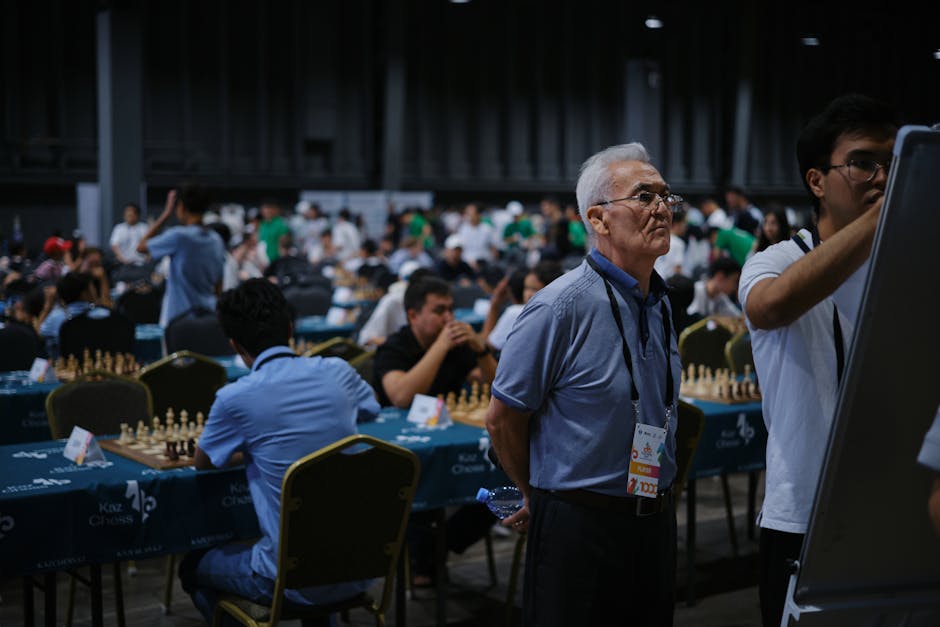
Organising a Chess Tournament: A Practical Guide for Club Members
Organising a chess tournament might seem daunting, but with proper planning, it's an enjoyable project that strengthens your club community. Whether you're running a small club tournament or a larger event, these practical steps will guide you.
Define Your Tournament Format
First, decide your format. A round-robin tournament, where every player faces every other player, works well for small clubs but becomes unwieldy with many participants. A Swiss-system tournament pairs players of similar strength each round, accommodating larger numbers. Knockout tournaments eliminate players after losses. Each format has merits; choose based on participant numbers and available time.
Set Clear Regulations
Establish rules before the tournament starts. Specify time controls (classical, rapid, or blitz), how points are awarded (standard 1-0-½ for win-draw-loss), and tie-breaking procedures. Include rules about touch-move, claiming draws by repetition, and conduct expectations. Clarity prevents disputes and ensures fairness.
Manage Scheduling
Create a fair schedule ensuring balanced pairings. For Swiss tournaments, use proper software that pairs players of similar scores each round. For round-robin, ensure everyone plays everyone exactly once. Publish the schedule in advance so players can plan attendance.
Secure Necessary Equipment
Arrange sufficient boards, pieces, and clocks. Ensure they're in good condition. If using software for pairings and results, test it beforehand. Have scoresheets ready if not using digital recording. These details prevent last-minute scrambling.
Recruit Arbiters and Helpers
Larger tournaments need arbiters to handle disputes and ensure rule compliance. Even small tournaments benefit from someone managing timing and recording results. Distribute responsibilities so no single person becomes overwhelmed.
Communicate Effectively
Send clear information to participants: dates, times, location, format, entry fee (if any), and rules. Answer questions promptly. Send reminders before the tournament. Post results promptly and publicly. Good communication builds confidence and encourages participation.
Handle Results and Rankings
Maintain accurate records throughout. Calculate final standings correctly, considering tie-breaks. Announce winners fairly and celebrate achievements. Consider small prizes or recognition for various achievements to motivate participation.
Gather Feedback
After the tournament, ask participants what worked well and what could improve. This feedback shapes future events and shows you value the community's input.
Keep It Enjoyable
Remember the primary goal: bringing the chess community together. Even with tight organisation, maintain a friendly, welcoming atmosphere. Players remember the experience as much as the results.