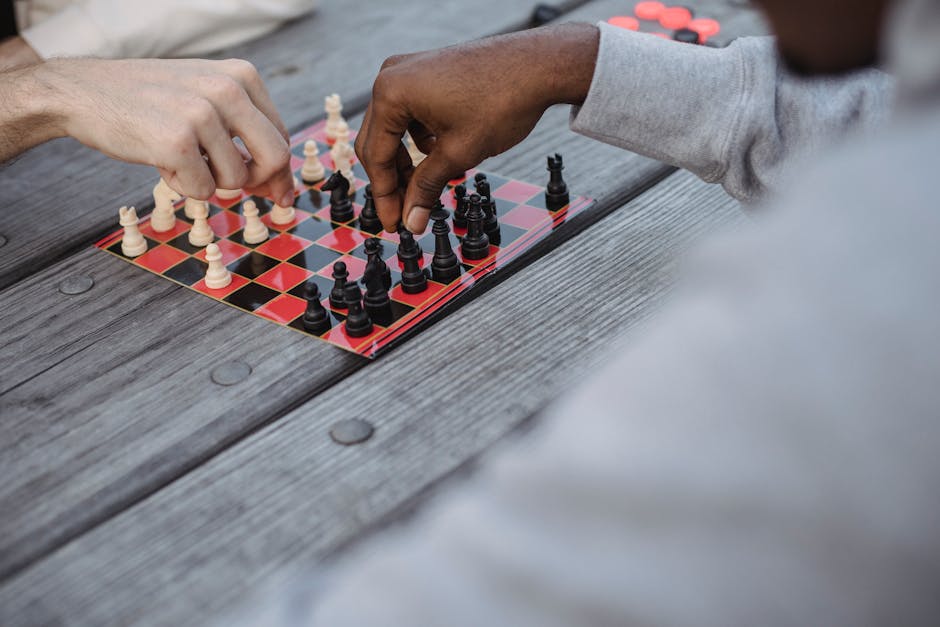
How to Get Started with Chess: A Beginner's Guide
Chess is one of the world's most rewarding games, combining strategy, logic, and creativity. Whether you're picking up a board for the first time or returning after years away, getting started is simpler than you might think.
Understanding the Pieces
Every chess game begins with 16 pieces per player: one king, one queen, two rooks, two bishops, two knights, and eight pawns. Each piece moves in a specific way. The king moves one square in any direction, the queen moves any number of squares horizontally, vertically, or diagonally, and rooks move horizontally or vertically. Bishops move diagonally, knights move in an L-shape, and pawns move forward one square (or two on their first move). Spend time learning these movements before worrying about strategy.
Learn the Basic Rules
The goal is simple: checkmate your opponent's king, meaning the king is under attack and has no legal escape. You also need to understand castling, en passant, and pawn promotion—special moves that add depth to the game. Don't feel overwhelmed; these rules become second nature quickly.
Start with Simple Strategy
Once you know the rules, focus on fundamental principles: control the centre of the board, develop your pieces early, protect your king by castling, and avoid losing pieces for nothing. These basics will serve you well as you improve.
Practice Regularly
The best way to learn chess is to play. Start with casual games against friends, family, or online opponents. Don't worry about winning; focus on understanding positions and learning from mistakes. Many online platforms offer free games and lessons tailored to your level.
Join a Chess Club
Playing at a local club like Morley Chess Club offers tremendous benefits. You'll meet experienced players who can mentor you, play in friendly competitions, and join a welcoming community. Club members often vary widely in skill level, so beginners always have opponents at their level.
Use Learning Resources
Consider investing in a good beginner's book or subscribing to online chess courses. YouTube also has excellent free tutorials. The key is choosing resources that match your learning style.
Chess rewards patience and practice. Every game teaches you something new, and improvement comes naturally with regular play. Start today, and you'll quickly discover why millions of people worldwide enjoy this timeless game.